
Boac, Marinduque – The Provincial Government of Marinduque through the Provincial Tourism and Cultural Office organized a “Heritage Symposium on Moryonan” right before the Holy Week, last March 28 (Saturday). The preliminaries was punctuated by the National Commission for Culture and the Arts (NCCA) Liking Yaman on Marinduque’s intangible cultural heritage such as tubong, moryon and kalutang.
The first speaker was the retired priest, Msgr. Rolando Oliverio who grew up in Mogpog and devoted countless hours in pursuit of the establishment of the parish of Mogpog and Fr. Dionisio Santiago’s role on the inception the moryonan practice as it is known today. Then, the foremost oral historian, culture bearer and keeper of traditions in the town who also happens to be the current local chief executive Senen Livelo Jr. He entertained some questions right away as he had to leave early for another occasion.
Instead of having a break, James Liwanagan, an heir of the local legend Buddy Liwanagan traced the origins of moryon mask carving and the contemporary expression of the moryonan practice. The last speaker, Gian Luigi Malangis, presented a rather different but related paper on decoloniality, agency and a cultural framework how to make sense the moryonan practice in a larger context of the Philippine archipelago. He made use of the H. Otley Beyer papers on Marinduque pioneers at the University of the Philippines and the Mga Kasaysayan ng Marinduque original typescript of Pedro Madrigal.
During the open forum, there was a lively discussion about the appropriate moryonan practice within the religious setting and beyond the Holy Week. There was a point raised if moryonan can be practiced all year round. The provincial tourism officer, Rino Labay moderated the exchange and sough the position of the Diocese of Boac. Likewise, there was an input about the moryonan practice outside Semana Santa, especially in welcoming guests and during tourist events. Dr. Karen Raza from the Marinduque State University Tourism Management department also recasted some of the debate about cultural appropriation of moryonan. Meanwhile, legislators such as the Boac municipal councilor Nic Solomon and no less than the Vice Governor Jun Bacorro also expressed support to legislative measures of safeguarding the lenten tradition.
In the end, PTCO Gerry Jamilla also provided some suggestions about the moryonan practice such as a code of conduct within the moryon groups like in the case of the Samahang Moryon ng Mogpog which they already emplaced an ordinance. Other suggestions is to have a specific registration number for the safekeeping of the culture bearers themselves to track their years of panata or sacred vow. It was also put forward that MarSU is developing a mandatory course for Marinduque Island Studies with moryonan in front and center.
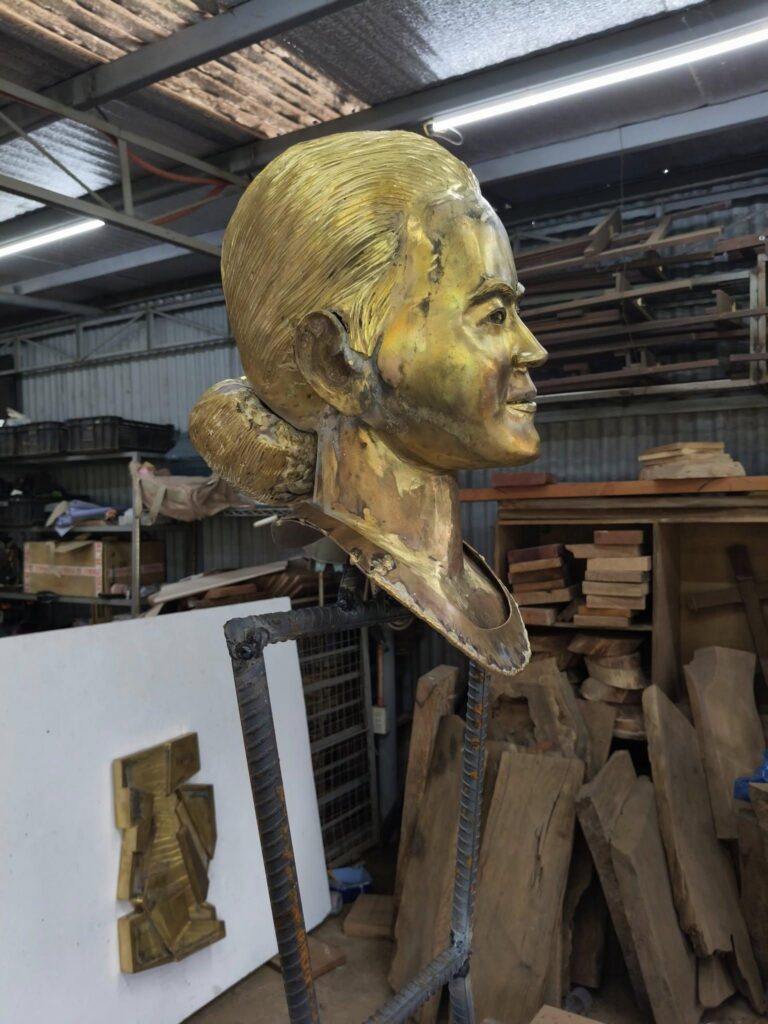
Boac, Marinduque – Marinduque State University (MarSU) unveiled its University Icon, “Manunubong,” at the Administration Building on December 19 during its year-end general assembly. This milestone event marked a significant moment for the campus community as they gathered to witness the formal presentation of the icon and receive updates on the university’s strategic direction.

Vice President for Academic Affairs Dr. Leodegario M. Jalos Jr. opened the assembly with welcoming remarks. Sculptor Cameron Castrillo then presented the design philosophy and symbolic elements embedded in the commissioned work, aptly named after “tubong,” the traditional hat Marinduque is renowned for. He provided insights into the creative process behind this new landmark.
University President Prof. Dr. Diosdado P. Zulueta delivered an inspiring message before the formal unveiling of the icon, which served as the centerpiece of the ceremony. He followed with the State of the University Address, offering a comprehensive review of MarSU’s performance, recent achievements, and strategic priorities for the institution’s future development.
The assembly also honored retiring personnel through the “Salamat-Mabuhay” segment, acknowledging their years of dedicated service. Additionally, the university recognized external partners and sponsors who provided invaluable support during the STRASUC Olympics 2025.
The formal program concluded as individual units, colleges, and departments celebrated Christmas across campus.
The groundbreaking was held last September 12 with the province’s officials and dignitaries laid witness. Prior to this, last July 2024 it was moved and approved that a monument and icon for the university is going to be based on Tubong or Putong. Then there was a cultural mapping and heritage inventory to ascertain the lone university’s icon and statue between June and July 2025.
This year marks the 30th year of School of Arts and Sciences (SAS) as an institution of higher learning as part of Marinduque State College (MSC). 2025 also a pivotal year for MSC’s conversion to a State University, along with its growth is the reorganization of College of Arts and Social Sciences (CASS) with three program offerings: BA Communication, BA English Language Studies and BS Social Work. Since 2012, there had been attempts to establish a multidisciplinary research journal as contribution to the body of knowledge in the said fields. By 2016, there is already a research and development colloquium which brings together student and faculty researchers. Despite the pandemic in 2020, the 5th SAS R&D colloquium pushed through with an online platform. From 2015 to 2019, book of abstracts were produced for BSSW and ELS. Likewise a resurgence of research journal took place in 2018. Therefore, the present endeavor is both continuation and starting anew from 2021 to 2023 after Covid19. The CASS research is updating its priorities, thrusts and agenda suitable for a university from 2026 to 2030. Hopefully this a way forward for the succeeding batches of researchers, change makers and innovators not only in Marinduque, also in Mimaropa and also in the Philippines and beyond. May this reboot spark more interest, rigor and passion for transdisciplinary research and island innovation for impact dubbed as I cube, I3.
Assoc. Prof. Randy Nobleza, PhD.
CASS Research Coordinator
Sa okasyon ng Buwan ng Pambansang Buwan ng Pamana, ang mga kalipunan ng mga samahan ng mga nagmomoryon sa mga bayan ng Boac, Mogpog, Gasan at Torrijos ay sumasalamin sa mga pangkat kalutang bukod sa Brgy. Bangbang. Kailangan balikan ang School of Living Tradition noong 2012 at Kalutang Festival noong 2017. Kaugnay nito ang mga grupo ng mga manunubong sa apat na nabanggit na bayan. Sumasabay tayo sa takbo, tinahak at pananatili ng Kapatirang Moryon ng Marinduque para kay Kristo (KMMK), Samahan ng mga Moryon sa Mogpog at Praetorians. Ang tunguhin ng paggamit ng Solutions Mapping tool na Saliklakbay (Saliksik at Paglalakbay) ay upang madokumento ang mga diskarte at natatanging paraan ng mga nagmomoryon, manunubong at magkakalutang. Bilang bahagi ng GRIND (grassroots innovation for inclusive development) ang mga kategorya buhay na dunong tulad ng moryonan, kalutang at tubong, kinakailangan kilalanin at makilala sa loob ng Marinduque at maging sa labas nito. Ang mahalaga ay ang pagtukoy sa mga culture bearer o nagpapraktis ng buhay na dunong. Sa pamamagitan ng Saliklakbay “field guide” ay inaasahang maikukwento ng mga gumagawa ng buhay na dunong ang kanilang “mode of transmission” o mga pamamaraan ng pagpapalaganap o pagpapanatili nito. Higit sa lahat, maipabatid ang kahalagahan o “significance” ng likhang yaman ng Marinduque: mapahistorikal man, politikal, panlipunan, pang-espiritwal, pangkabuhayan o siyentipiko kahit “aesthetic.” Ang susi ng pagpapanibago at higit na pagyabong ng tradisyon ay ang lubos na pagpapahalaga dito para tumungo sa konserbasyon, “safeguarding” at pagprotekta dito. Harinawa’y makadagdag sa kaalaman at karunungan ang mga kalipunang ito, puso, dunong, mabuhay. Dr. Randy T. Nobleza Kolehiyo ng mga Sining at Pang-Aghamtao Pamahalaang Unibersidad ng Marinduque
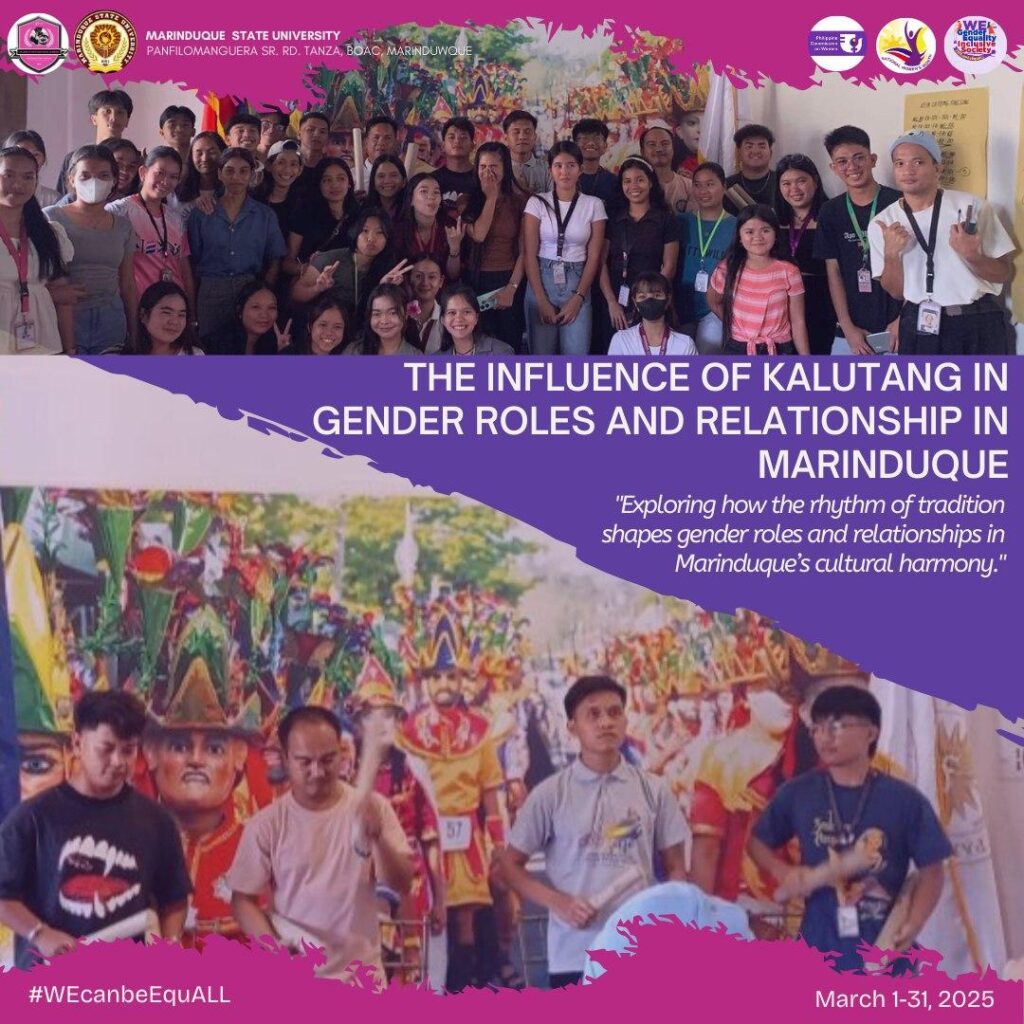
| The Influence of Kalutang to gender roles and relationships in Marinduque – BSSW 1B |
Group 3
Irish Laylay*
Joshua Morales
Angel Bo
Irish Mabuti
Joy Malabayabas
Princess Mitante
Valerie Moreno
Anghella Pandongon
Alyssa Privado
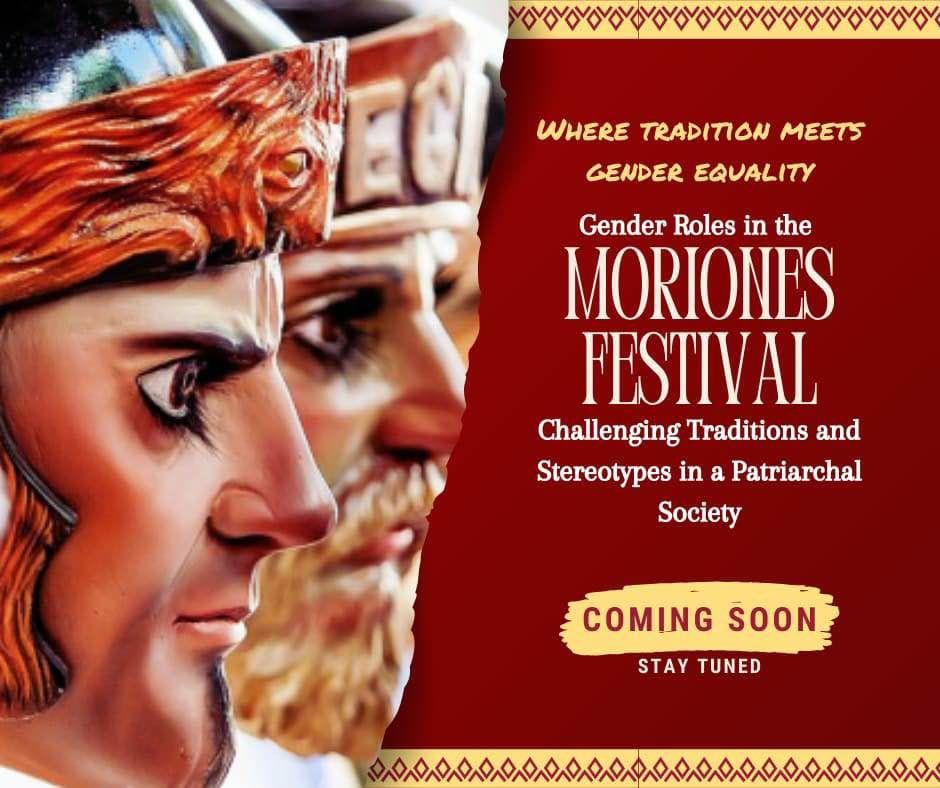
Gender Roles in the Moriones Festival: Challenging Traditions and Stereotypes in a Patriarchal Society*Group 4 ELS
Group 4
Mahrex Mutya*
Jeanna Grimaldo
Lenilyn Lambot
Danica Magararu
Sittie Mauna
Hannah Montalban
Ivan Rodelas
Kathleen Frogoso
Mharc Lamoc
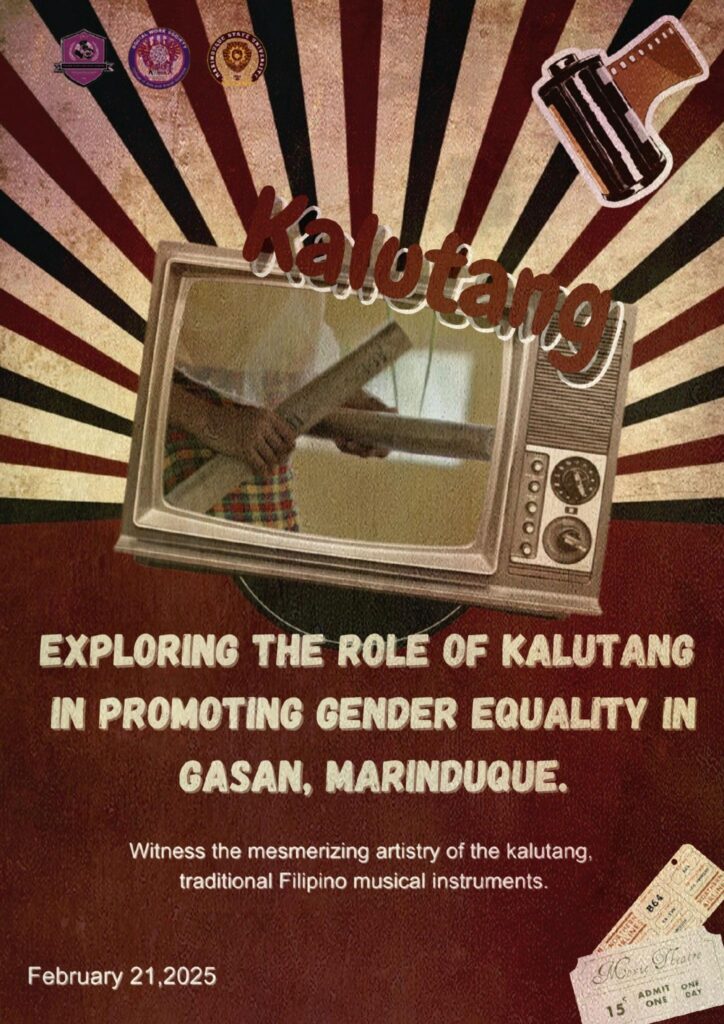
| Exploring the Role of Kalutang in Promoting Gender Equality in Gasan,Marinduque–BSSW1B |
group 1
Zyril Largado*
Rhyssel Madla
Glennys Montellano
Jovanni Andrade
Wendy Guevara
Rea Macalood
Aira Mangubat
Louella Medenilla
Kristel Ola
Aya Pineda
Breaking Gender Stereotype in Moryonan Culture – Group 1 BAC
BAC moryonan
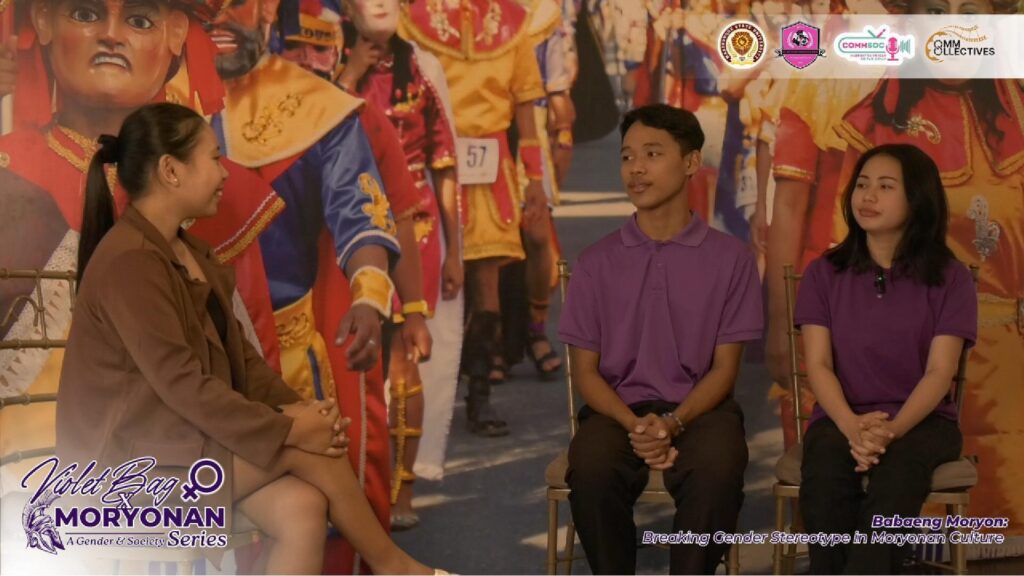
Group 1
Lorence Soto*
Jesse Anda
Angela Candelaria
Remart Barbosa
Isabelle Dado
Bhea Donghit
Racky Marciano
Background of the study
Its preservation represents an essential component in the development of cultural identity and heritage. Putong, a traditional practice from Marinduque, is an important expression of culture that represents the values, beliefs, and collective history of its community. The study, entitled Sustaining Putong: The Role of Present and Future Generations in its Preservation and Conservation, seeks to examine how both current and future generations shape the preservation and sustainability of this cultural practice. Rooted in the intersection of three of the most impactful Sustainable Development Goals (SDGs), the study highlights the importance of cultural heritage in sustainable community development, making Putong a vital element of Marinduque’s cultural identity.
Firstly, SDG 4: Quality Education advocates for inclusive, equitable, and quality education, which is essential for the perpetuation of cultural practices across generations. Educating the people of Marinduque, especially the youth, about the significance of Putong and equipping them to pass on this knowledge ensures that these traditions are not forgotten. Quality education about cultural heritage empowers individuals to take an active role in preserving and promoting their identity, anchoring the tradition firmly within the lives of the community.
Secondly, SDG 11: Sustainable Cities and Communities links the establishment of inclusive, secure, resilient, and sustainable communities. In Marinduque, preserving Putong fosters a sense of belonging and strengthens the community’s cultural roots. This preservation cultivates respect for cultural heritage while promoting social cohesion and endurance. A resilient community like that of Marinduque ensures its practices are not only maintained but also adapted to the evolving demands of the modern world.
Thirdly, SDG 16: Peace, Justice, and Strong Institutions emphasizes building inclusive and accountable institutions. The preservation of Putong in Marinduque strengthens the cultural fabric of the community and highlights the importance of recognizing and valuing indigenous practices. Institutionalizing cultural protection ensures that heritage conservation remains a sustained priority, fostering peace, justice, and unity within the province.
This study demonstrates how the preservation and conservation of Putong in Marinduque can ensure sustainability for both present and future generations, contributing significantly to sustainable community development, inclusive education, and the strengthening of cultural institutions. The realization of these interlinked SDGs underscores the importance of safeguarding traditions like Putong, ensuring that Marinduque’s rich cultural heritage continues to thrive.
Highlights of the study:
As Putong in Marinduque ceased to exist, this highlight part of the paper shows that we can make sure Putong is continued and keep it alive and strong for many years to come. Therefore (1) Preservation of Cultural Identity. The research highlights the essence of conserving Putong, a traditional approach within the Marinduque context, as a crucial aspect of the community’s identity and heritage. It discusses how both existing and future generations are currently continuing this practice. (2) The study links preservation of Putong with three major SDGs. SDG No. 4: Maintains that education is a tool for knowledge transmission to ensure Putong before the young. Hence, awareness and empowerment will keep the practice continued for years to come. SDG No. 11: It shows how Putong creates a sense of belongingness as it strengthens the public with cultural roots leading to sustainable and resilient development of communities. SDG No. 16: Focuses on building stronger institutions for the proper preservation of cultural heritage in protection and respect indigenous practices for unity and justice. (3) The research discerned Putong as a central part of Marinduque’s cultural heritage and contends that the preservation contributes to the sustainability of the community through inclusiveness, resilience, and social harmony.(4)It highlights the importance of both present and future generations in conserving Putong. For this purpose, the engagement between youth and that of the transmission of knowledge about the tradition ensures its pertinence and adaptability into the context of modernity. (5) The study shows the need for an institutional or community framework to prioritize the conservation of cultural heritage so that this practice will be an integral part of the community’s identity and growth. (6) By connecting Putong with sustainable development and cultural conservation, it presents a logical argument on how safeguarding traditions can bring about social, cultural, and developmental gains to the Marinduqueno community.
Impact
Sustaining the putong or tubong as traditional culture of Marinduque indicates rich heritage and a sense of identity, not only culturally but also between generations. Their preservation is also crucial in fostering and shaping among the present as well as future generations about a sense of belonging. The younger generation plays the most important part in learning it, practicing, and innovating the culture and making sure the putong does not fade over time. Quality education about the cultural heritage specially on putong or tubong provides people with what is needed in appreciating and preserving their own cultural practices. Through education for the present generation about the significance of Putong, these culture and tradition would not be lost. The impact of SDG 4 in sustaining Putong is to allow the preservation and promotion of cultural heritage to allow future generations to learn and appreciate their identity. Promoting and preserving Putong in Marinduque fosters cultural heritage and enhancing community resilience. This practice aligns with SDG 11 by promoting inclusive, safe and sustainable communities. As current generations support these traditions, they shape values in future generations, ensuring the adaptability to modern challenges while maintaining our cultural identity. This continuity not only enriches local culture of Marinduque but also strengthens community bonds essential for sustainable development.
The preservation of cultural practices like Putong in Marinduque is very important for the promotion of social justice and unity, which is in line with SDG 16 focus on inclusive institutions. Maintaining indigenous traditions can strengthen the cultural identity of communities, which promotes peace and unity. Promoting these practices ensures that heritage conservation remains a priority and will empower future generations to uphold their cultural legacy while contributing to accountable governance.
Outcome:
The study “Sustaining Putong: The Role of Present and Future Generations in its Preservation and Conservation” aims to highlight the important role of education, communities, and institutions in shaping the understanding of present and future generations in preserving Putong ritual/tradition. The outcomes of this study in terms of each selected SDG’s are as follows:
For SDG 4: Quality Education, the study emphasized the incorporation of Putong in educational settings in order to enhanced understanding among current and future generations about the significance of Putong. It ensures that the knowledge, values, and traditions will be effectively transmitted and passed on to future generations to secure its continuity and preserve Marinduqueños cultural identity.
For SDG 11: Sustainable Cities and Communities, the preservation and conservation of Putong strengthens social unity and inclusivity within communities especially within the province of Marinduque. It promotes respect for cultural heritage, contributing to sustainable urban and rural environments in the island of Marinduque where traditions coexist with modernization.
For SDG 16: Peace, Justice, and Strong Institutions, institutionalizing the protection, preservation, and conservation of Putong promote inclusivity. Recognizing traditional practices such as Putong ritual strengthens cultural unity, promotes social justice and ensures that cultural preservation remains a tool for fostering peace and harmony within communities
Future Plan
The future plan towards sustaining ‘Putong’ is through education, community participation, institutional development, and creativity by developing cultural heritages that can be shaped for the generations to come. The inclusion of ‘Putong’ in both formal and informal settings is equally important as ensuring workshops that are led by cultural practitioners and collaborating with universities for research and documentation purposes along with developing curriculum modules centered on its history and importance. The community engagement issues are aimed at knowledge-sharing across generations by pursuing collective responsibility through providing intercultural festivals, tournaments, and creating cultural groups dedicated to keeping ‘Putong’ alive. These changes will align ‘Putong’ with modern times.
The preservation of the culture has impact on policy changes and institutional support. The promotion of ‘Putong’ may be protected by local government ordinances and the establishment of partnerships with organizations like UNESCO and NCCA, and forms a registry of groups and individuals engaged. This ensures the safeguarding of ‘Putong’. Linking Putong to sustainable development goals broadens the benefits to the community such as promoting it as a tourism attraction in line with SDG 11, including performance in eco-tourism packages. These initiatives will also serve as avenues for economic empowerment for local practicioners.
Conclusion
The study “Sustaining Putong: The Role of Present and Future Generations in its Preservation and Conservation” is very important for the preservation of Marinduque’s cultural heritage through the Putong tradition. It gives importance to education, community participation, and institutional support in making this practice continuous and aligned with the Sustainable Development Goals (SDGs).
This study connects Putong to SDG 4, Quality Education, by shifting focus on the role of education in the transmission of cultural knowledge across generations, hence enabling the next generation to have an appreciation and preservation instinct for the heritage. SDG 11, Sustainable Cities and Communities, bridges it by demonstrating how preservation of Putong actually strengthens social cohesion and resilience and fosters a sustainable and inclusive community. Additionally, by linking it to SDG 16 (Peace, Justice, and Strong Institutions), the study shows that institutionalizing the protection of Putong promotes unity, social justice, and cultural preservation, ensuring it remains a priority for future generations. The results show that the involvement of the youth, educational programs, and strong community participation are vital in keeping the tradition alive. In integrating Putong into modern settings while maintaining its core cultural values, it is made more adaptable and relevant. The research also promotes the institutional frameworks that would protect and promote Putong as part of Marinduque’s cultural identity, including government policies, cultural programs, and international partnerships.
Ultimately, the preservation of Putong goes beyond the mere conservation of a ritual. This act ensures cultural pride, strengthens community ties, and contributes to sustainable development for the people of Marinduque in the context of their rich cultural heritage-in the sense that it will be a source of identity, unity, and resilience for generations.
Call to Action
The tradition of Putong is not just a ritual; it is the heart of Marinduque’s cultural identity and heritage. Its preservation is important for fostering community ties, ensuring cultural pride, and contributing to sustainable development. As shown in the research paper “Sustaining Putong: The Role of Present and Future Generations in its Preservation and Conservation,”preserving this cultural practice connects us to the Sustainable Development Goals (SDGs) in emphasizing the importance of quality education (SDG 4), sustainable communities (SDG 11), and strong institutions (SDG 16). The present generation, especially the youth, must be involved in order to keep Putong alive. Their education programs in history and importance, engaging the communities in the practice, and institutional frameworks to secure its continuity ensure that this valuable tradition adapts to modern contexts while retaining its essence.
You are a part of this mission. As a teacher, community leader, policymaker, or cultural enthusiast, your actions can make a difference. Support the integration of Putong in all educational curricula, work towards policies that preserve this culture, and participate in events to promote this tradition. With collective efforts, we can ensure that Putong thrives for generations to come.
Join the movement to preserve Putong—invest in the cultural legacy of Marinduque, strengthen our communities, and inspire future generations to cherish their heritage.
Take Action Today! Educate yourself and others about the significance of Putong. Advocate for local policies supporting cultural preservation. Collaborate with cultural practitioners and institutions. Participate in or support community events that promote Putong. Preserving Putong is in your hands. Let us safeguard Marinduque’s heritage and let it be a pride and an unifying force for so many generations to come.
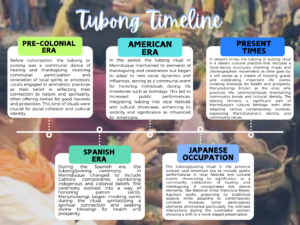

2nd sem 2024-25
GE Elect 2: Gender and Development
- BA ELS 1A
- BAC 1A
- BSSW 1A
- BSSW 2B
GEC Elective: Panitikan
- CpE 3
Comm Elect 1: organizational culture and communication
- BAC 2a
- BAC 2b


ABOUT
Moryonan, Tubong x Kalutang
RECENT POSTS
| M | T | W | T | F | S | S |
|---|---|---|---|---|---|---|
| 1 | 2 | 3 | 4 | 5 | ||
| 6 | 7 | 8 | 9 | 10 | 11 | 12 |
| 13 | 14 | 15 | 16 | 17 | 18 | 19 |
| 20 | 21 | 22 | 23 | 24 | 25 | 26 |
| 27 | 28 | 29 | 30 | |||
Articoli recenti
- Heritage Symposium on Moryonan explores parameters for legislative measure to safeguard the lenten practice
- MarSU unveils Icon and Statue during year-end Gathering
- Brief Intro: island innovation for impact i3, I cube
- Para sa Marinduque triennale at Intangible Cultural Heritage Trfiecta
- Kalutang and SDGs